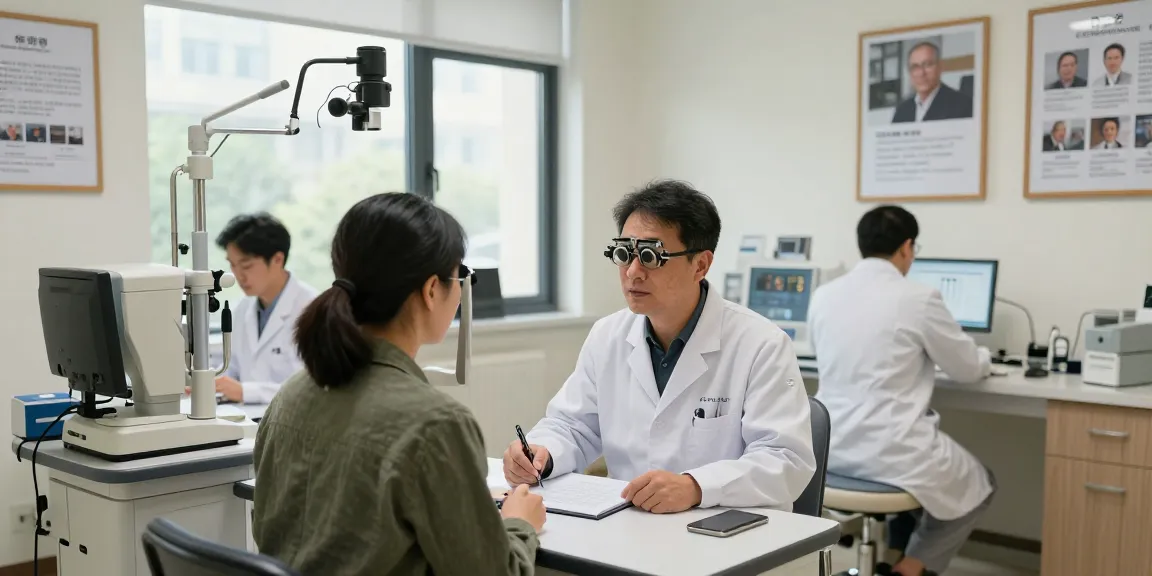
Polycystic Ovary Syndrome (PCOS) is a common hormonal disorder that can affect menstrual cycles, ovulation, and fertility. Early diagnosis and proper care are important, and many women with irregular periods or difficulty conceiving consult theHyderabad best gynaecologist for accurate evaluation and treatment.
PCOS does not always prevent pregnancy. With timely medical support, lifestyle changes, and regular monitoring, many women manage the condition well and improve their reproductive health. Understanding its impact on fertility is the first step toward better care.
Understanding PCOS and Its Effect on Fertility
PCOS is a hormonal condition in which the ovaries produce higher-than-normal levels of androgens, leading to irregular ovulation or the absence of ovulation. Since regular ovulation is essential for conception, women with PCOS may experience fertility challenges.
The condition can also affect metabolism, weight, and insulin regulation, further influencing reproductive health. These changes may make it harder for the body to maintain hormonal balance, which is why timely diagnosis and proper treatment are important for women trying to conceive.
Common Causes and Risk Factors of PCOS
The exact cause of PCOS is not fully understood, but several factors are believed to contribute to its development. Identifying these risk factors allows healthcare providers to recommend suitable treatment plans that improve both hormonal balance and fertility outcomes.
1. Hormonal Imbalance
Women with PCOS often have increased androgen levels that interfere with normal ovulation. This imbalance can lead to irregular menstrual cycles and difficulty releasing mature eggs. Proper hormonal management helps restore reproductive function and improves fertility potential.
2. Insulin Resistance
Many women with PCOS develop insulin resistance, making it difficult for the body to regulate blood sugar effectively. Higher insulin levels may increase androgen production, worsening PCOS symptoms. Managing insulin resistance through lifestyle changes and medical treatment supports better reproductive health.
3. Genetic Factors
Family history plays an important role in the development of PCOS. Women with close relatives diagnosed with the condition may have a greater likelihood of experiencing similar hormonal imbalances. Understanding genetic risk helps doctors monitor symptoms more effectively.
4. Lifestyle and Weight Management
Excess body weight may worsen hormone imbalance and increase insulin resistance in women with PCOS. Maintaining a healthy weight through balanced nutrition and regular physical activity often improves menstrual regularity and ovulation. Even modest weight loss can positively influence fertility outcomes.
5. Chronic Inflammation
Research suggests that low-grade inflammation may contribute to increased androgen production in women with PCOS. This ongoing inflammatory response can affect ovarian function and hormone regulation. Early medical management helps reduce its impact on reproductive health.
Recognizing the Symptoms of PCOS
PCOS symptoms vary from one woman to another, making professional evaluation important for an accurate diagnosis. Some women experience only mild symptoms, while others may develop multiple reproductive and metabolic concerns.
Common symptoms include irregular or missed menstrual periods, excessive facial or body hair, acne, weight gain, thinning scalp hair, and difficulty conceiving. Early recognition of these symptoms allows healthcare providers to begin appropriate treatment before complications develop.
Importance of Early Diagnosis
Early diagnosis allows doctors to manage PCOS before it affects fertility and overall health. Timely treatment helps regulate menstrual cycles, improve ovulation, and reduce the risk of long-term complications such as diabetes or cardiovascular disease.
Women who receive early medical attention are more likely to respond well to treatment and achieve improved reproductive outcomes. Regular follow-up also helps doctors adjust treatment plans according to changing health needs.
Treatment Options for PCOS
Treatment for PCOS depends on the woman's symptoms, age, and reproductive goals. Many women benefit from a combination of medical therapy, lifestyle modifications, and continuous monitoring. Consulting the best gynecologist in Hyderabad helps ensure that treatment is tailored to individual health requirements and fertility goals.
Lifestyle improvements, hormone-regulating medications, ovulation-induction therapies, and nutritional guidance are commonly recommended. A personalized treatment approach improves symptom management while increasing the chances of successful conception and overall reproductive well-being.
Diagnostic Approaches and Evaluation
Accurate diagnosis helps healthcare providers understand the severity of PCOS and identify the most appropriate treatment strategy. A combination of clinical assessment and diagnostic investigations is usually required to confirm the condition.
● Detailed medical and menstrual history
● Physical and pelvic examination
● Blood tests for hormone evaluation
● Blood sugar and insulin assessment
● Pelvic ultrasound examination
● Body weight and metabolic assessment
These evaluations help doctors understand the underlying hormonal pattern and identify how PCOS is affecting reproductive health. A clear diagnosis also makes it easier to choose the right treatment plan for improving ovulation and fertility.
Fertility Treatment Options for Women with PCOS
Fertility treatment may begin with medications that help stimulate ovulation and regulate menstrual cycles. In some cases, doctors may also recommend lifestyle changes, weight management, and monitoring of ovulation to improve the chances of natural conception. If needed, advanced reproductive treatments can be considered based on the woman’s age, symptoms, and response to initial therapy.
Women with PCOS who are planning pregnancy may require additional fertility support depending on their individual condition. Treatment is selected after evaluating hormone levels, ovulation patterns, and overall reproductive health. A personalized approach increases the chances of successful conception while supporting long-term well-being.
Conclusion
PCOS is a manageable condition when diagnosed early and treated through a combination of medical care, healthy lifestyle changes, and regular follow-up. Understanding its impact on fertility allows women to make informed healthcare decisions and take positive steps toward improving their reproductive health.
Those seeking comprehensive women's healthcare services, including access to toppediatric surgeons, often prefer providers that offer multidisciplinary care under one roof. Such families can rely on Ankura Hospitals, which is recognized for its excellence in women's and children's healthcare through experienced specialists, advanced medical technology, and patient-centered treatment. With its integrated approach to gynecological and pediatric care, Ankura Hospitals remains a trusted choice for high-quality healthcare.